Legacy Planning: A Mental Health Crisis for the Ultra-Wealthy
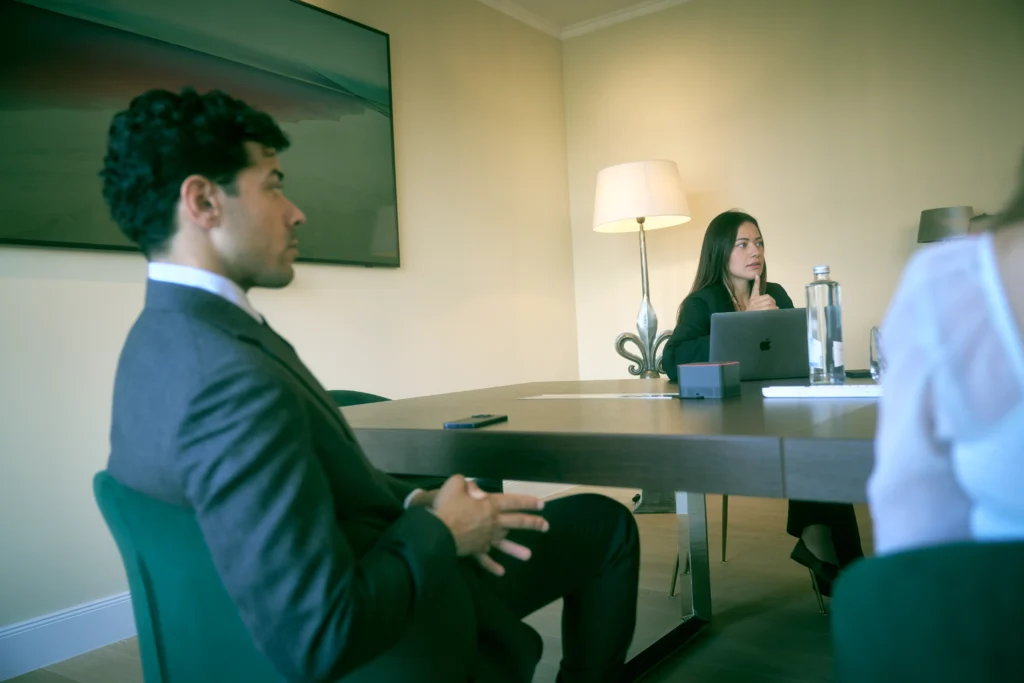
By KD Dr. med. Janis Brakowski (MD, Deputy Head, Center for Acute Psychiatric Diseases, Psychiatric University Clinic Zurich, currently on research sabbatical), Dr. Anna Erat (MD, PhD, IDP INSEAD, Healthcare Expert, Faculty University of St. Gallen, Speaker, Independent Board Member, Mentor ETH) and Jan Gerber MSc (Founder and CEO of Paracelsus Recovery)
At Paracelsus Recovery, a clinic dedicated to the mental well-being of the ultra-wealthy, we’ve noted a disturbing pattern emerging over time. It’s not addiction or depression in isolation, though those often play a role, but the devastating psychological fallout from a failure to plan for what comes next. Legacy planning, or rather the lack of it, has shattered families, unravelled identities, and plunged heirs into chaos. This isn’t about tax strategies or asset allocation; it’s about the human cost when wealth is handed down without a roadmap. Drawing on our team’s collective experience, we’ve seen how the absence of thoughtful preparation doesn’t just risk fortunes – it risks lives.
What makes this worth your time? This isn’t speculation. It’s the raw, unfiltered reality of the families we’ve treated: stories of strife, breakdown, and, in some cases, redemption. These are the lessons we’ve learned at the coalface, where wealth amplifies every emotion and every misstep. For UHNWIs, legacy planning isn’t a financial footnote; it’s a mental and physical health imperative and an investment in longevity.
When Wealth Becomes a Burden
Imagine inheriting a billion-pound empire with no clue why it exists or what’s expected of you. For many heirs we’ve counselled, this isn’t a hypothetical; it’s their reality. The Paracelsus Recovery team has seen how unplanned legacies turn wealth into a millstone. One European industrial heir arrived at our clinic crippled by anxiety, his family’s meticulous estate documents offering no hint of purpose or direction. He wasn’t alone. Across continents, we’ve treated heirs and patriarchs alike, undone not by markets or mismanagement, but by the emotional void left by silence.
The toll is stark:
These aren’t outliers. They’re patterns, etched into the lives of those we’ve helped. Wealth, without context, becomes a catalyst for chaos.
The Anchor of Purpose
Amid the wreckage, we’ve seen a lifeline emerge: purpose. Families who articulate what their wealth stands for – be it education, community, or innovation – fare better. Our team has observed this time and again. One Middle Eastern dynasty, once riven by rivalry, found unity after crafting a mission rooted in uplifting their region. Their heirs, previously at odds, now collaborate on projects that matter to them. The difference? Clarity.
The evidence aligns:
This isn’t theory. It’s what we’ve lived through with our clients. Purpose isn’t a buzzword but a shield.
“Purpose functions like an anchor – it provides stability, direction, and strengthens overall well-being.”
Dr. Anna Erat
The Chaos of Unprepared Heirs
Hand an untrained soldier a tank, and disaster follows. Hand an unprepared heir a fortune, and the stakes are just as high. We’ve seen it unravel in real time: a tech billionaire’s children, once aimless, spiralling into apathy until we helped them find footing through gradual exposure and responsibility. Contrast that with a Swiss heir we treated, blindsided by an inheritance he didn’t understand – his panic attacks began the day the lawyers called.
Preparation matters. Our approach, honed over years, includes:
The tech heirs now lead their family’s climate efforts. The Swiss heir, with time and support, regained his footing. For those who carry great responsibility, preparation isn’t optional – it’s how one protects their most valuable asset: peace of mind.
The Wounds of Silence
Silence is a wrecking ball. We’ve sat with families where unspoken plans bred suspicion, turning siblings into adversaries. One U.S. dynasty reached us on the brink of collapse: years of bottled-up expectations exploded into a courtroom brawl. Another client, a British matriarch, watched her outdated will spark tax chaos that left her son sleepless with worry. These aren’t mere mistakes; they’re mental health crises in waiting [5].
The fallout is predictable:
“A family that fosters open channels of communication lays the foundation for enduring success across generations.”
KD Dr. med. Janis Brakowski
Quote: “A family unit that creates open communication channels is one that is setting itself up for success for generations to come.”
We’ve picked up the pieces too often. Openness, even when messy, saves more than it costs. When everything is out in the air, this fosters a sense of trust that helps heirs feel secure and thrive in their new role. As humans, we fear the unknown, meaning that with every open conversation you have, you reduce the chance of being hit with overwhelm and stress that comes with ambiguity.
Stories That Heal
Words can mend what wealth breaks. Our team has watched families transform through storytelling: raw, honest accounts of where their money came from and the personal cost attached to it. An Asian patriarch shared his father’s near-bankruptcy over tea; his son, once paralysed by self-doubt, found strength in that vulnerability. A Latin American widow used her family’s mental health struggles to frame their foundation’s mission – her children drew closer, not apart.
Why it works:
These aren’t therapy exercises. They’re lifelines, pulled from our case files of what we have seen it takes to heal.
Giving as Redemption
Philanthropy isn’t just generosity – it’s therapy. We’ve seen clients claw back meaning through giving. A former patient now funds mental health projects worldwide, his own recovery mirrored in the lives he touches. A Middle Eastern family turned their wealth into schools, their shared mission softening old rivalries. The data backs this: purpose fuels well-being. A 2021 study correlated purpose to improved subsequent well-being markers such as physical health outcomes as well as a reduced incidence of sleep issues, depression and loneliness [11].
It’s not abstract:
For UHNWIs, giving isn’t a sideline. It’s a salve.
The Guardrails of Structure
Structure isn’t bureaucracy but sanity; we’ve seen trusts and councils avert disasters. A Swiss family’s dynasty trust kept their wealth, and their peace, intact across decades. A U.S. dynasty’s governance council turned chaos into consensus. Without these, we’ve watched heirs flounder: tax shocks, creditor threats, or just plain confusion driving them to our doors [7].
The right tools:
We’ve seen it save minds as much as money.
The Ultimate Stakes
Mental health isn’t a byproduct of legacy planning but the whole point of it. Our team has tracked the arc: families who plan with care see less anxiety, stronger heirs, even longer lives [10]. Those who don’t? We’ve mopped up the wreckage: estrangement, addiction, despair. A London financier we treated said it best: “I thought I was leaving them security. I left them a war.”
Wealth amplifies everything. Make it amplify strength, not strain.
A Call to Act
This is no academic treatise. It’s a dispatch from the front lines of Paracelsus Recovery, where we’ve seen legacies lift families up or tear them down. For UHNWIs, the choice is stark: plan with purpose, or risk losing more than your fortune. The flawed, human, resilient families we’ve guided prove it’s possible. Your legacy can be a gift, not a grenade.
References
Continue the journey